The Ultimate 14-Day Northern Pakistan Itinerary for First-Timers (2026 Edition)
Northern Pakistan is one of the last great frontiers of adventure travel. Home to five of the world’s fourteen 8,000-metre peaks and cultures that trace their roots back thousands of years, Gilgit-Baltistan offers a journey unlike anywhere else on earth. If you have two weeks and you have never been before, this guide is for you.
Overview: The Route
This itinerary follows a balanced loop that takes in three major regions—Gilgit, Hunza Valley, and Skardu—without excessive backtracking. In 2026, the Karakoram Highway (KKH) remains the backbone of overland travel, and internal flight connections between Gilgit and Skardu have been significantly improved with additional weekly services.
Day-by-Day Breakdown
Days 1–2: Islamabad — Arrival and Acclimatisation
Fly into Islamabad International Airport. Spend your first day adjusting to Pakistan Standard Time and exploring the capital. Visit Faisal Mosque, wander through Lok Virsa Museum to get a cultural grounding, and enjoy dinner in the F-7 or F-6 sectors. On day two, take the morning flight to Gilgit (roughly one hour, weather permitting). Book a morning flight—afternoon flights are often cancelled due to mountain winds.
Days 3–4: Gilgit — Gateway to the Karakoram
Gilgit is the regional capital and your logistical hub. Use these two days to orient yourself, hire your local guide, and arrange your jeep. Must-sees include the Kargah Buddha (a 7th-century rock carving), the local bazaar, and the Gilgit River confluence. The city sits at roughly 1,500 metres, making it an ideal place to start your altitude adjustment before heading higher.
Days 5–7: Hunza Valley — Karimabad and Beyond
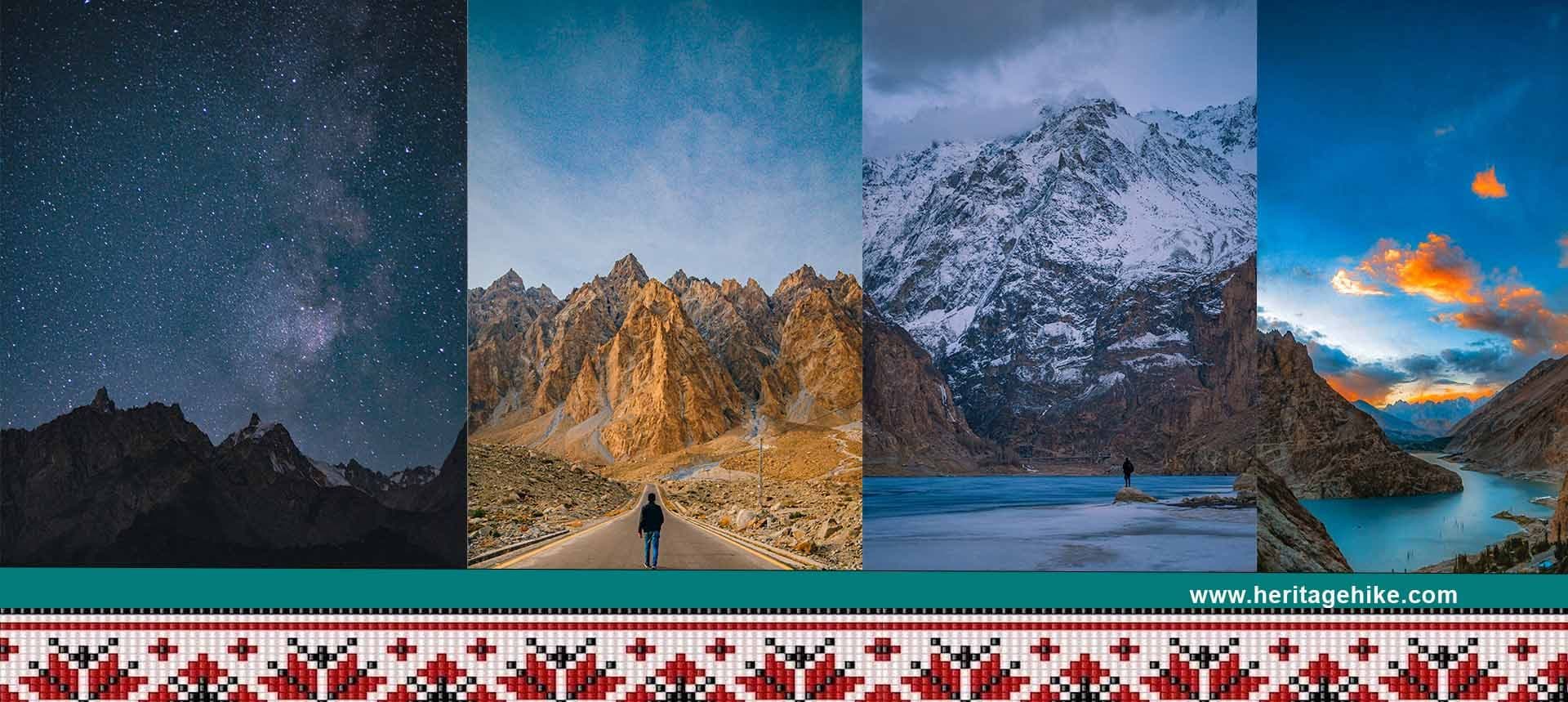
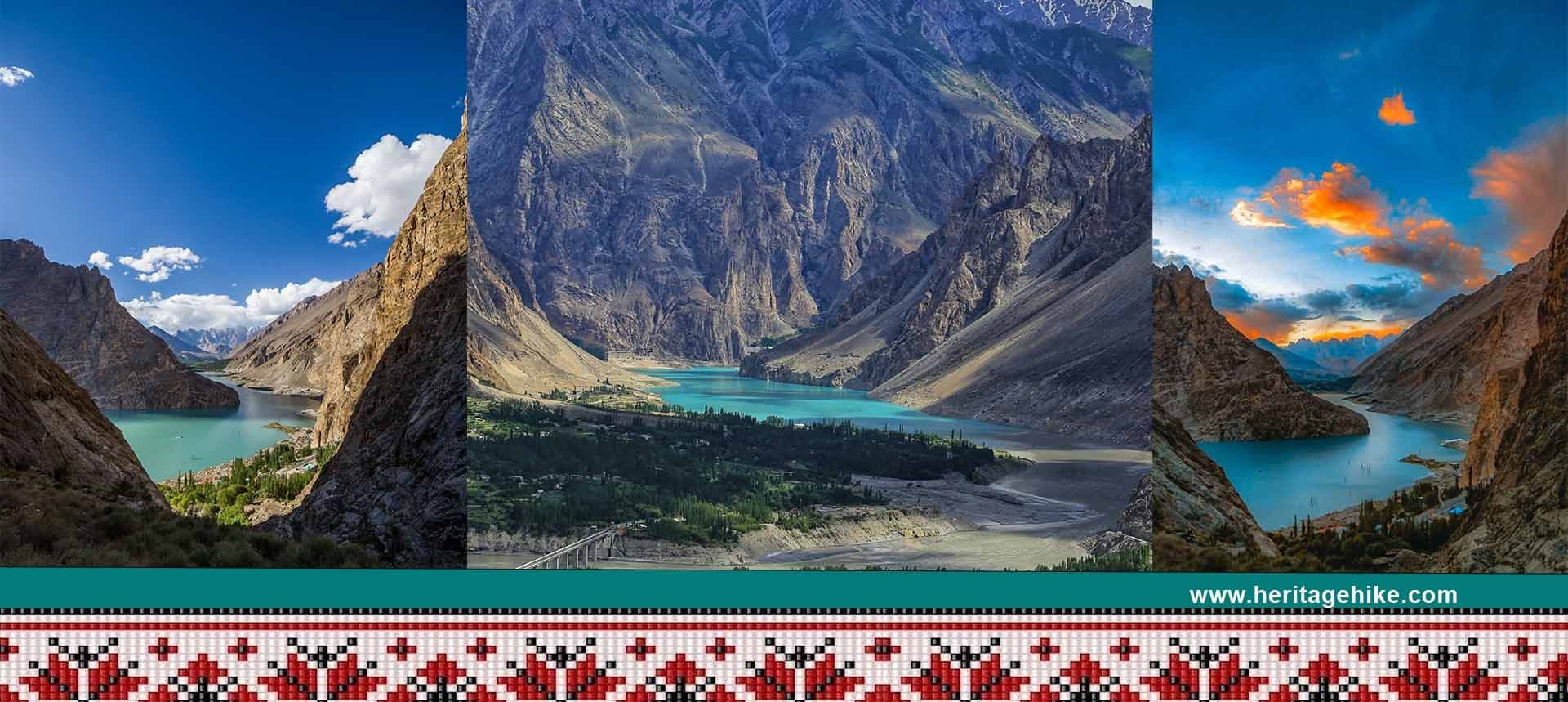
The drive from Gilgit to Karimabad takes about two hours along the KKH. Hunza Valley in spring (April–May) is a riot of pink and white blossoms from apricot and cherry trees. In 2026, Altit Fort and Baltit Fort have both seen restoration work completed, making them more accessible than ever. Dedicate a full day to each fort and the surrounding old town. On day seven, drive to Attabad Lake—the stunning turquoise lake formed by a 2010 landslide—and take a short boat ride across its surface.
Day 8: Hussaini Suspension Bridge and Passu Cones
North of Hunza lies one of the most photographed spots in Pakistan: the Hussaini Suspension Bridge, a narrow wooden plank bridge swaying over the Hunza River. Cross it if you dare. From there, the Passu Cones—cathedral-like rock spires rising above the valley—make for extraordinary photography at golden hour.
Days 9–10: Gilgit to Skardu — Cold Desert and High Plateaus
Fly or drive to Skardu. The flight (35 minutes) is one of the most scenic in the world, threading through Himalayan peaks. Skardu sits at 2,438 metres in the heart of a high-altitude cold desert. Visit Shangrila Resort and the Upper Kachura Lake on day nine. Day ten is best spent exploring Deosai National Park, a vast high-altitude plateau at 4,114 metres that comes alive with wildflowers from July onwards and is home to the Himalayan brown bear.
Days 11–12: Skardu Surroundings — Shigar Fort and Satpara Lake
Shigar Fort, a beautifully restored 17th-century royal palace now operating as a heritage hotel, is a highlight of any Skardu visit. Satpara Lake, just 9 km from Skardu city, offers a serene half-day excursion by the water. These are slower days intentionally placed to let you rest before the journey back.
Days 13–14: Return to Islamabad
Fly from Skardu to Islamabad (weather permitting) or retrace the KKH overland to Gilgit and connect onward. Spend your final evening in Islamabad and depart refreshed.
Practical Notes for 2026
- Domestic flights: Book Gilgit and Skardu flights well in advance. Both routes are heavily weather-dependent and often overbooked. Carry flexibility in your schedule.
- Road conditions: The KKH has seen significant improvement works in 2025–2026. However, landslides remain common in the monsoon season (July–August).
- Altitude: Move slowly. Drink water. Do not rush from 1,500m to 4,000m in a single day.
- Guides and jeeps: A local guide is not just a convenience—it enriches the journey enormously. Heritage Hike arranges fully supported 14-day tours that take care of all logistics.