
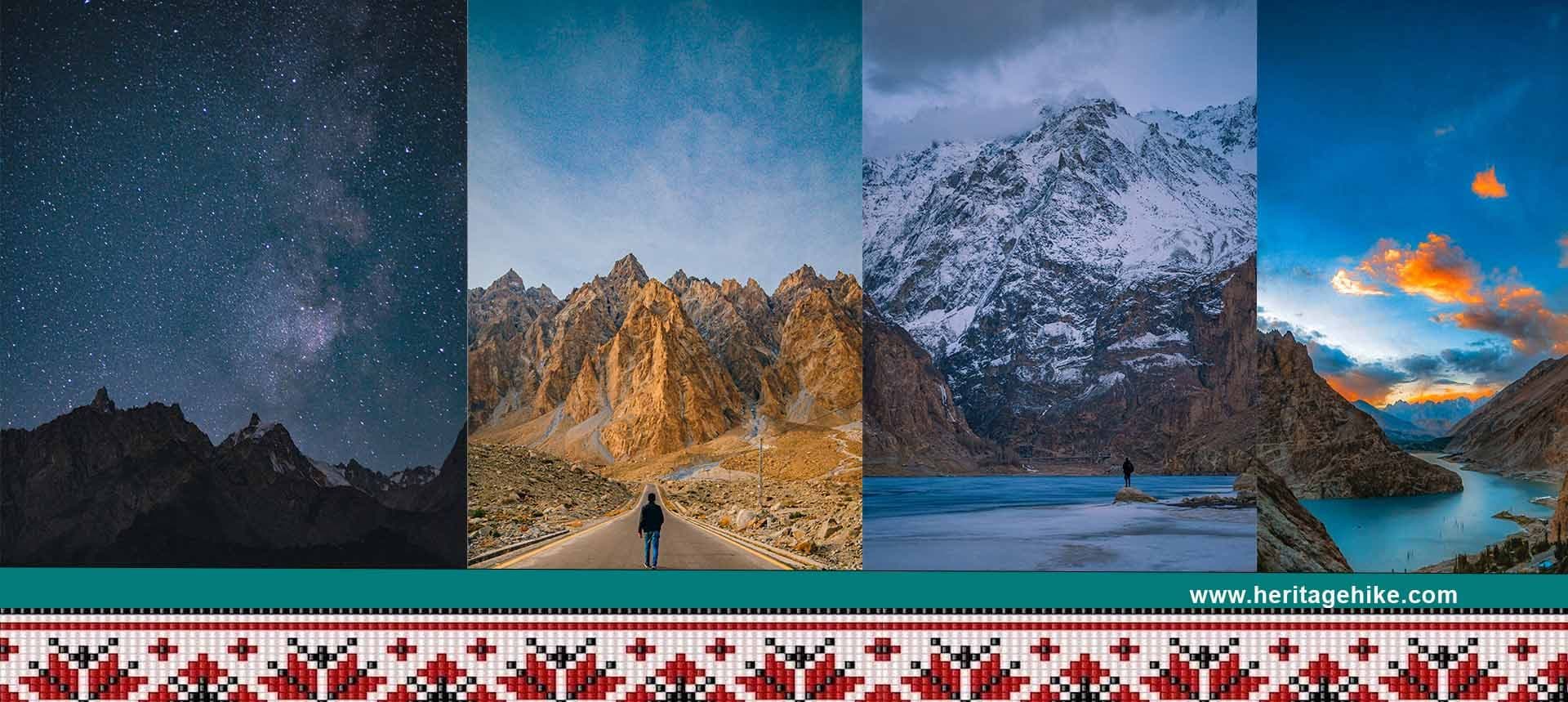
Hunza Valley
Hunza Valley is a serene retreat surrounded by majestic mountains, lush valleys, and crystal-clear lakes. Experience unmatched natural beauty, culture, and tranquility.
Destination Overview
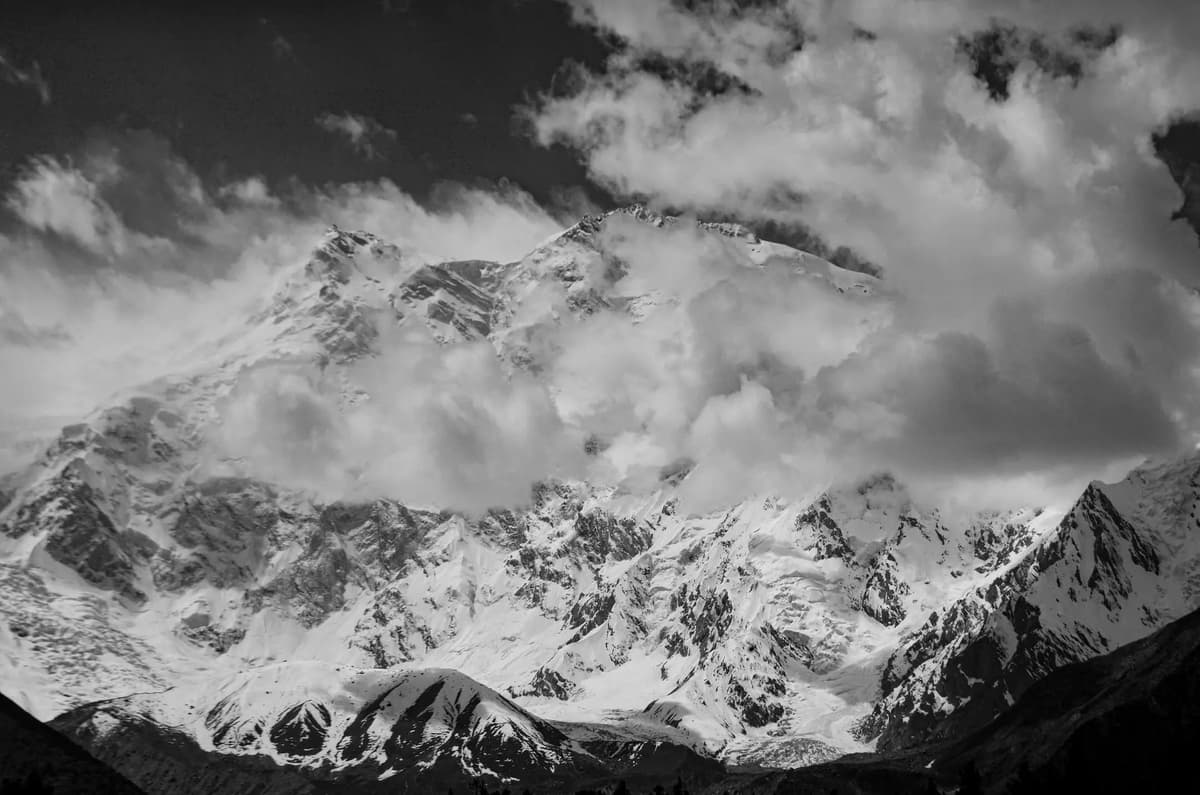
Hunza Valley is one of Pakistan’s most breathtaking destinations, known for its snow-capped peaks, crystal-clear rivers, ancient forts, and warm, welcoming communities. Nestled in the heart of the Karakoram Range, Hunza offers stunning views of iconic mountains such as Rakaposhi, Ultar Sar, and Ladyfinger Peak, making it a paradise for nature lovers, photographers, and adventure seekers.
Beyond its dramatic landscapes, Hunza is rich in culture and history. Visitors can explore the historic Baltit Fort and Altit Fort, wander through traditional villages, and experience the unique lifestyle of the local people. The region is also famous for its apricot orchards, traditional cuisine, and reputation for longevity and healthy living.
From peaceful lakes like Attabad and Passu’s scenic viewpoints to hiking trails, glaciers, and vibrant seasonal colors, Hunza Valley offers a perfect blend of adventure, relaxation, and cultural immersion. Whether you seek scenic beauty, authentic local experiences, or a tranquil mountain escape, Hunza promises a journey that stays with you forever.
Destination Highlights
Majestic Peaks
Cultural food
High-altitude Camping
Lakes and Rivers
Light village walks and orchard strolls
Best Time to Visit
Hunza Valley is a year-round destination, but the best time to visit depends on the kind of experience you are looking for — whether it’s blooming landscapes, adventure activities, or snowy mountain scenery.
🌸 Spring (March to May) — Blossoms & Fresh Landscapes
Spring is one of the most beautiful times to visit Hunza. The valley comes alive with apricot, cherry, and apple blossoms, creating a magical, colorful atmosphere. The weather is mild and pleasant, ideal for sightseeing, photography, and light hiking. This season is perfect for travelers who love fresh greenery and peaceful scenery.
☀️ Summer (June to September) — Best for Adventure & Exploration
Summer is the peak tourist season in Hunza, with warm temperatures and clear skies offering breathtaking mountain views. This is the best time for trekking, hiking, camping, and exploring high-altitude areas. Roads and mountain passes are fully accessible, making it ideal for longer road trips and outdoor adventures.
🍁 Autumn (October to November) — Golden Colors & Fewer Crowds
Autumn transforms Hunza into a golden wonderland as trees turn shades of yellow, orange, and red. The weather remains cool and pleasant, and tourist crowds begin to thin out, offering a quieter and more relaxed experience. This season is perfect for photographers, couples, and travelers seeking scenic beauty without peak-season crowds.
❄️ Winter (December to February) — Snowy Serenity
Winter offers a peaceful and magical experience in Hunza, with snow-covered mountains and a calm, less crowded environment. While some roads and facilities may be limited, winter is ideal for travelers who enjoy solitude, snow scenery, and a unique mountain atmosphere.
⭐ Overall Best Time
April to October is generally considered the best time to visit Hunza Valley, as the weather is pleasant, roads are accessible, and most tourist activities are available. However, each season offers a distinct charm — from spring blossoms to summer adventures, autumn colors, and winter snow.
How to Reach
Hunza Valley is accessible by both road and air, offering scenic and adventurous travel routes through northern Pakistan.
By Air
The nearest airport is Gilgit Airport, with regular flights from Islamabad (subject to weather conditions). From Gilgit, Hunza Valley is approximately a 2–3 hour drive via the Karakoram Highway.
By Road
Hunza Valley is well-connected through the Karakoram Highway (KKH) — one of the most scenic highways in the world.
- From Islamabad: 16–20 hours by car or bus
- From Gilgit: 2–3 hours by road
Travelers can use private cars, rental vehicles, or long-distance buses.
By Bus & Public Transport
Several bus services operate daily from Islamabad, Rawalpindi, and Gilgit to Hunza and nearby towns such as Aliabad and Karimabad. Both standard and luxury coach options are available.
Private Transfers & Tour Transport
Private transfers and tour company vehicles offer a more comfortable and flexible way to reach Hunza, especially for families, groups, and international travelers seeking a smooth travel experience.
Scenic Travel Experience
The journey to Hunza is an unforgettable experience, featuring rivers, mountains, tunnels, and dramatic landscapes — making the travel itself a major highlight of the trip.
Nearby Attractions
Baltit Fort (10 Mins from Karimabad Bazar away)
Historic 700-year-old royal fort overlooking Karimabad
Altit Fort (5km away)
Ancient fort with gardens and valley views.
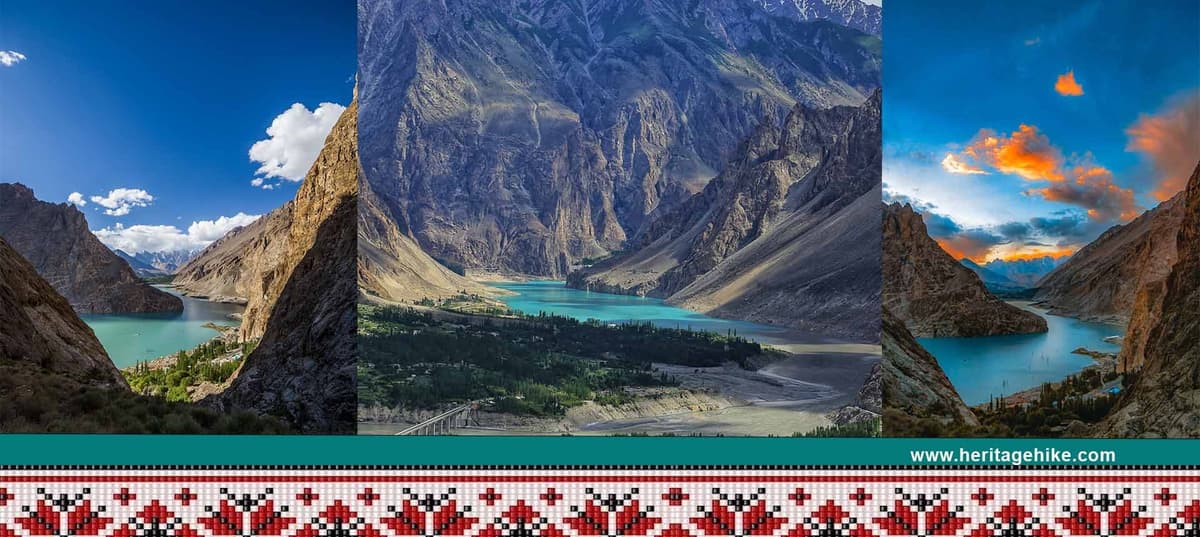
Attabad Lake (~ 30km away)
Stunning turquoise lake formed by a landslide
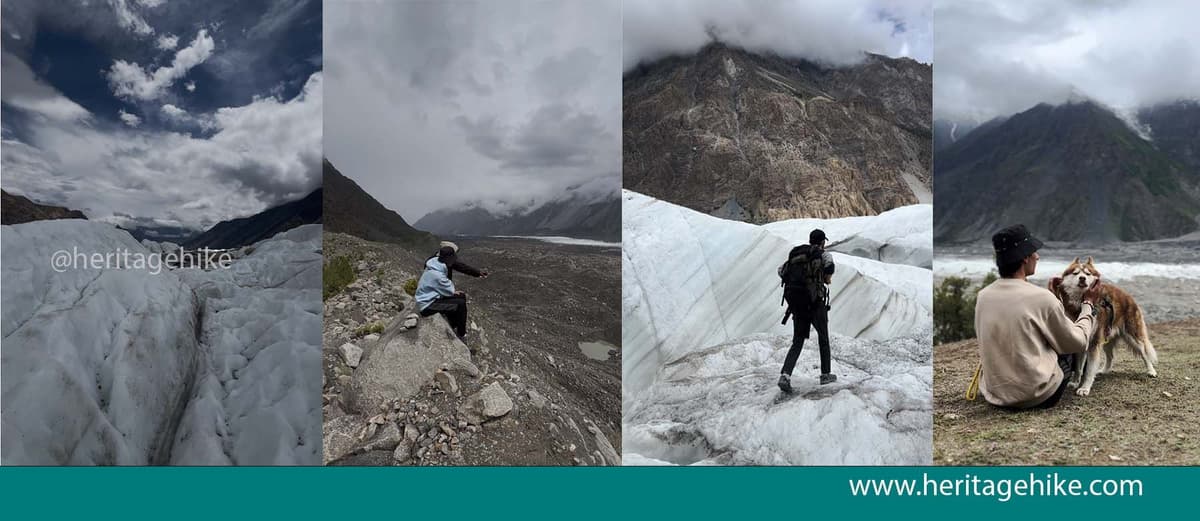
Passu Cones (~45km away)
Iconic sharp mountain peaks and scenic views of the famous Cathedral Peaks, Batura Glacier and many more.
Khunjerab Pass (~85 km away)
Pakistan-China border at the world’s highest paved crossing
Eagle’s Nest (~8km away)
Popular viewpoint for sunrise and sunset panoramas
Hopper Glacier (~35km away)
Beautiful glacier and trekking destination
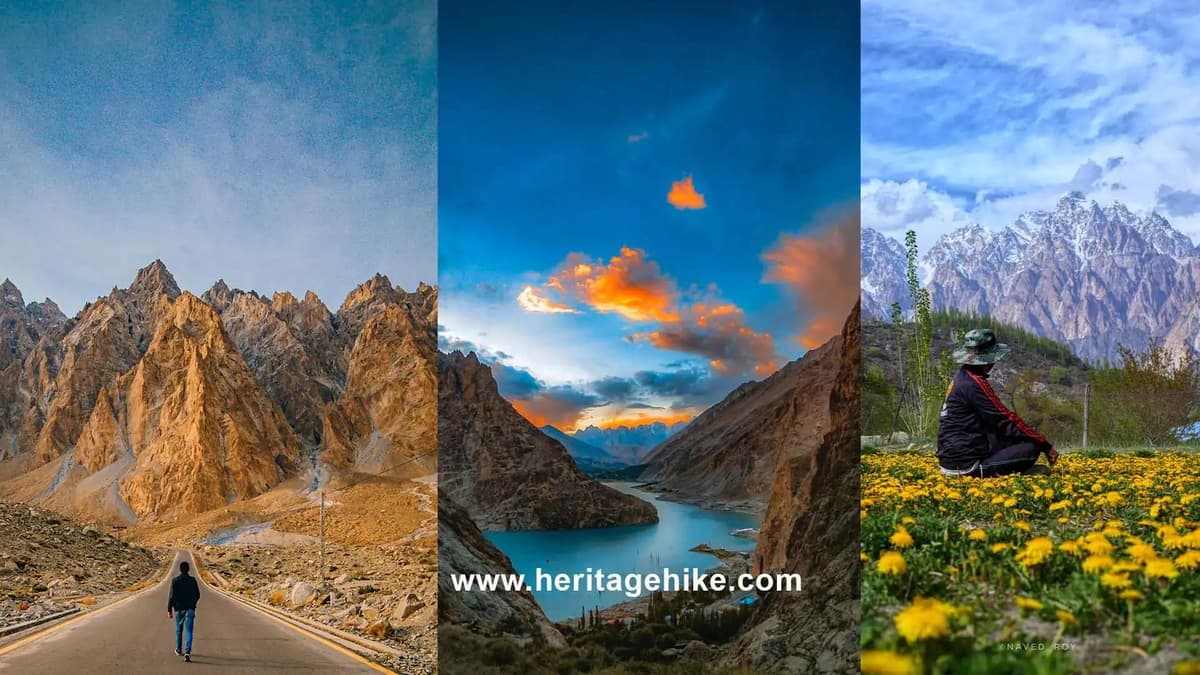
Gulmit Village (~35km away)
Cultural village known for music and traditions
Essential Information
Essential Information — Hunza Valley
Hunza Valley is located in Gilgit-Baltistan, northern Pakistan, along the famous Karakoram Highway. The main towns include Karimabad, Aliabad, and Gulmit. The region uses Pakistan Standard Time (PKT) and the local language is Burushaski, though Urdu and English are widely understood in tourist areas.
The valley sits at an elevation of approximately 2,500 meters (8,200 feet), offering cool summers and cold winters. The currency used is the Pakistani Rupee (PKR), and cash is recommended as ATM access can be limited. Mobile coverage is available in major towns, but internet speeds may be slow in remote areas.
Hunza is considered safe and welcoming for travelers, known for its friendly communities, clean environment, and rich cultural heritage. Visitors are encouraged to respect local traditions, dress modestly, and follow eco-friendly travel practices to help preserve the region’s natural beauty.
Travel Tips
Carry warm clothing, even in summer
Mobile signals can be weak in remote areas
Book hotels and transport in advance during peak season
Travel with a local guide for remote treks
Respect local culture and traditions
Carry power banks due to power outrages.
Avoid littering; keep the valley clean
Check weather forecasts before traveling
Related Destinations
Attabad Lake
Passu
Gulmit
Khunjerab Pass
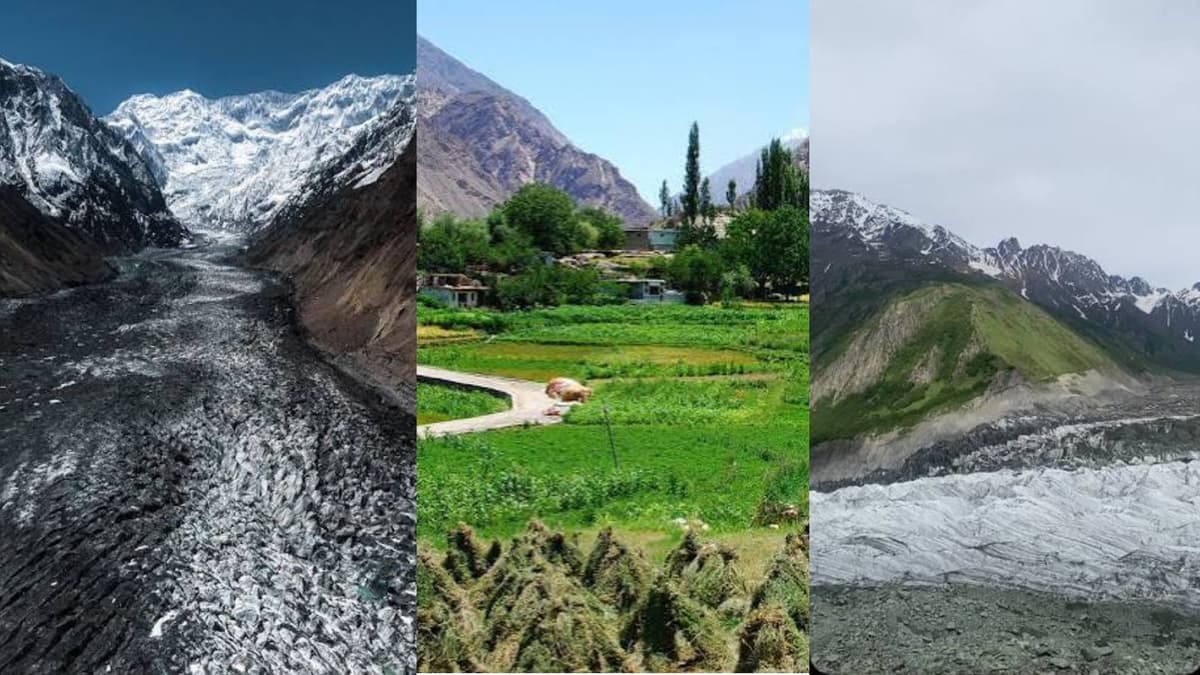
Hopper Glacier
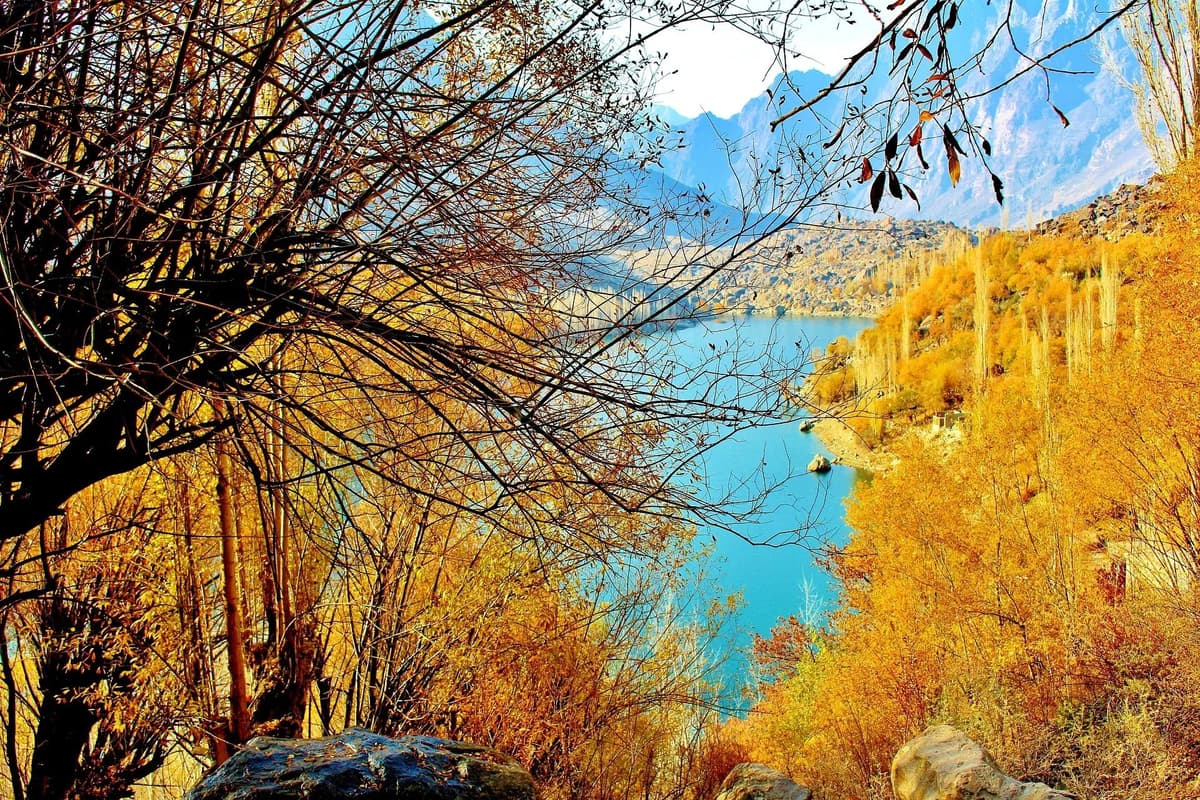
Upper Kachura Lake
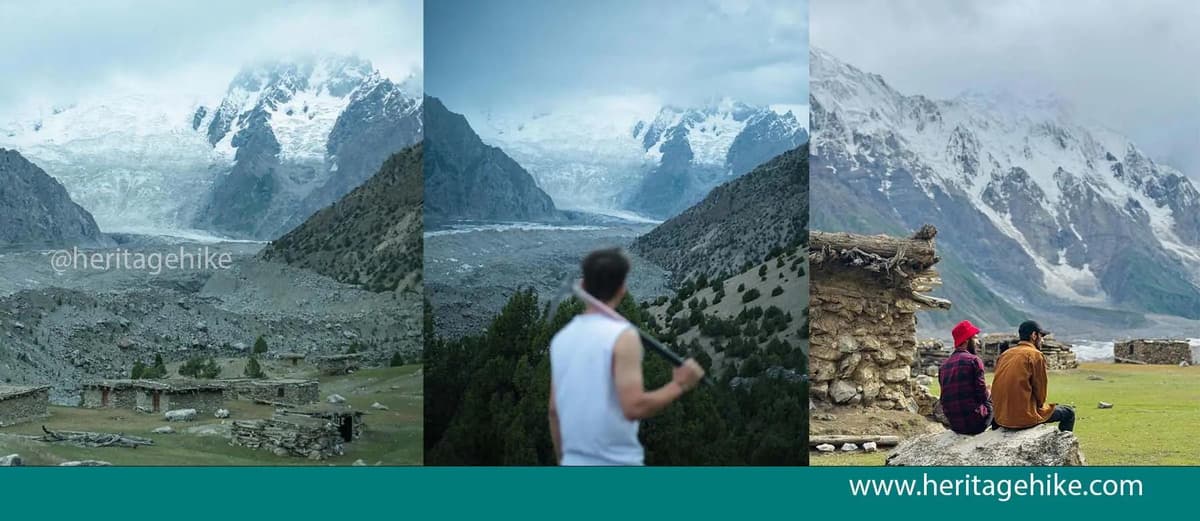
Batura Glacier and Meadows Gojal Hunza
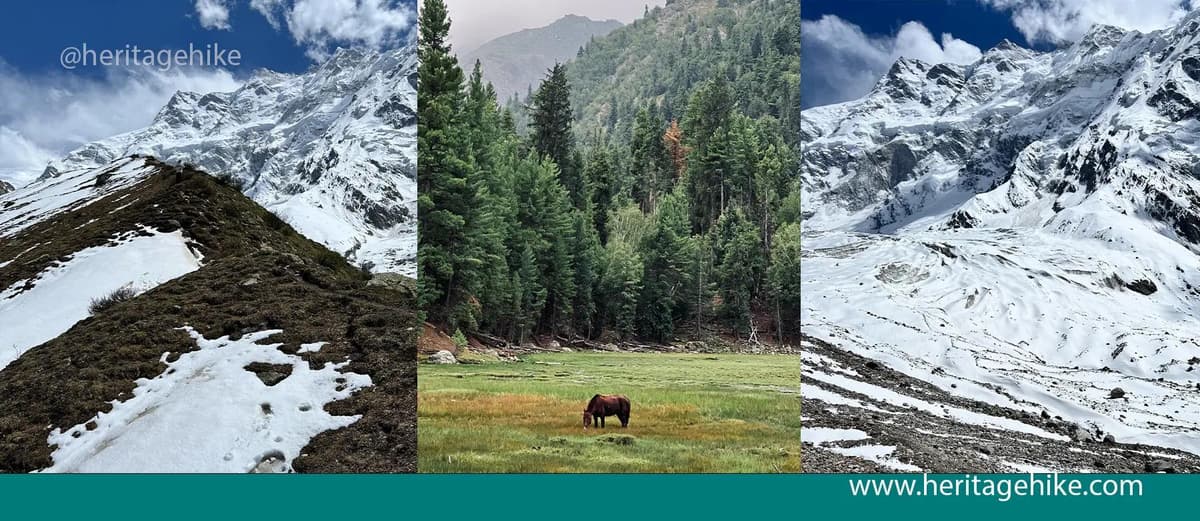
Fairy Meadows
Nanga Parbat Base Camp
Skardu
Quick Facts
Region
gilgit-baltistan
Elevation
2,500m - 3000m
Best Season
May to October
Time Zone
PKT (UTC+5)
Tours to Hunza Valley


Need Help Planning?
Our travel experts can help you customize the perfect trip to Hunza Valley.
Contact Our Team


