
Packing Essentials: What to Wear in the Mountains of Pakistan
April 26, 2026
7 min read
A practical packing guide for Northern Pakistan—balancing technical mountain gear with cultural dress codes for a respectful and comfortable trip.
Read MoreEverything you need to pack for a trip to northern Pakistan — from trekking gear and mountain clothing to medicines, documents, and gadgets for Hunza, Skardu, and Gilgit-Baltistan.
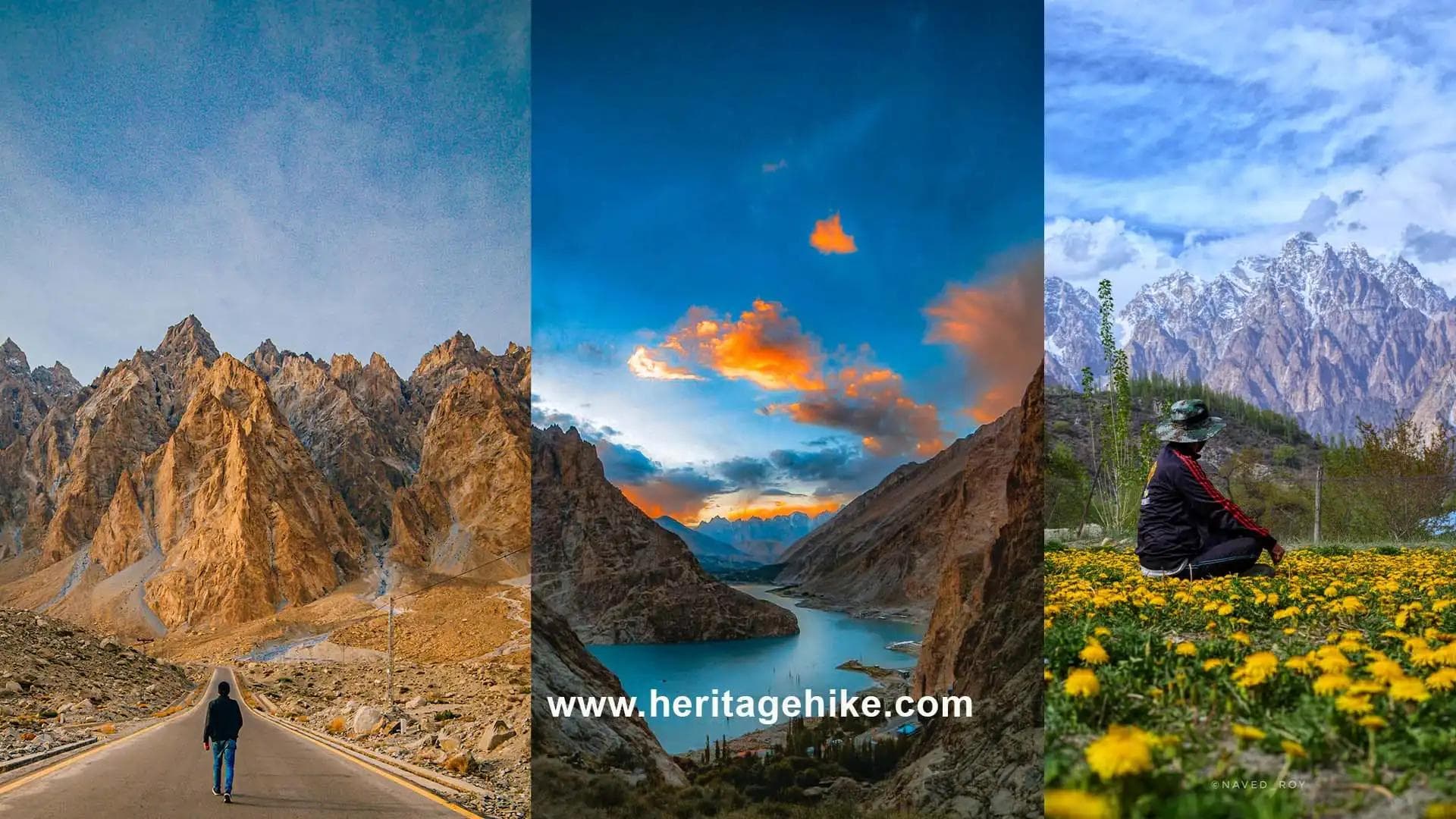
Packing for northern Pakistan requires more thought than a typical holiday. The altitude range is extraordinary — you might spend a morning at 2,400m in Karimabad and an afternoon at 4,693m on Khunjerab Pass. Temperatures can swing 20°C between midday and midnight. Some valleys have no shops within 60km. Getting your packing right is not about luxury — it is about safety, comfort, and being prepared for a landscape that does not forgive poor preparation.
The key to dressing for northern Pakistan is a three-layer system: a moisture-wicking base layer, an insulating mid layer, and a waterproof and windproof outer shell. Bring at least two sets of base layers (merino wool is ideal as it resists odour), one or two mid layers such as a fleece or down jacket, and one quality waterproof jacket. Lightweight zip-off trousers are versatile for both trekking and town visits. Avoid cotton as it holds moisture and dries slowly at altitude.
Sturdy, broken-in waterproof hiking boots are essential for any trekking in northern Pakistan. Do not bring new boots — blisters at altitude in remote terrain are a serious problem. Pack at least one pair of sandals or lightweight shoes for evenings at guesthouses. For serious high-altitude or glacier trekking, crampons and gaiters should be discussed with your guide or tour operator.
UV intensity at high altitude is significantly higher than at sea level. Pack high-factor sunscreen (SPF 50 or above) and apply it generously even on overcast days. Bring UV-protective sunglasses with side shields for glacier environments, a wide-brimmed sun hat, and UV-protective lip balm. A lightweight balaclava or neck buff is useful for wind protection on exposed ridges and passes.
A comfortable daypack of 25 to 35 litres is ideal for day hikes and glacier walks. For multi-day treks, a 50 to 70 litre main pack is appropriate, though porters can be arranged through Heritage Hike for longer expeditions. Other essential gear includes trekking poles (helpful on loose moraine and steep descents), a quality headlamp with spare batteries, a lightweight sleeping bag rated to at least -10°C for mountain guesthouse nights, and a dry bag or pack liner to protect gear from rain.
Altitude sickness is the most significant health risk for visitors to northern Pakistan. Acclimatize properly by ascending gradually and spending adequate time at intermediate elevations before pushing higher. Pack acetazolamide (Diamox) if recommended by your doctor for altitude sickness prevention, along with ibuprofen and paracetamol for headaches, oral rehydration salts, antidiarrheal medication, blister treatment, a digital thermometer, and any personal prescription medicines in sufficient supply with a copy of the prescription. A basic first aid kit including bandages, antiseptic wipes, and medical tape is advisable for remote trekking.
Carry at least two water bottles or a hydration reservoir. A portable water filter or purification tablets are essential for trekking where clean tap water is unavailable. Staying well hydrated at altitude is critical for preventing altitude sickness — drink significantly more than you normally would, even if you do not feel thirsty.
A large-capacity power bank is one of the most important items to pack — charging opportunities in remote guesthouses are unreliable, and your phone needs to last through long drives and full hiking days. Download offline maps before leaving Islamabad or Gilgit. A universal travel adapter is needed as Pakistan uses Type C and Type G plugs. If you carry a camera with multiple batteries, bring a spare set. For remote trekking, a GPS device or satellite communicator adds a significant safety margin.
Carry your original passport, a printed copy of your Pakistan e-visa or visa documentation, travel insurance documents, and copies of any trekking permits arranged by your operator. Carry sufficient Pakistani rupees in cash as ATMs are unreliable beyond major towns and do not exist in remote valleys. Notify your bank before travelling to prevent card blocks. Keep photocopies of all important documents stored separately from the originals.
Northern Pakistan is a conservative society and dressing respectfully is important. Both men and women should pack loose-fitting, lightweight clothing that covers the shoulders and knees for visiting villages, markets, and historical sites. Women travellers in particular will be more comfortable and receive warmer receptions in smaller communities when dressed modestly. A lightweight scarf or shawl is versatile and takes up almost no space.
Keep your pack as light as possible — weight is your enemy on mountain trails at altitude. Avoid packing cotton-heavy clothes, unnecessary formal wear, multiple pairs of shoes, or large quantities of toiletries (basic supplies are available in Karimabad, Gilgit, and Skardu). Leave space in your bag for locally purchased dried fruit, handicrafts, and gemstones — you will almost certainly buy them.
You might also enjoy these Gear & Packing stories
A practical packing guide for Northern Pakistan—balancing technical mountain gear with cultural dress codes for a respectful and comfortable trip.
Read MoreGet the latest travel tips and adventure stories delivered to your inbox