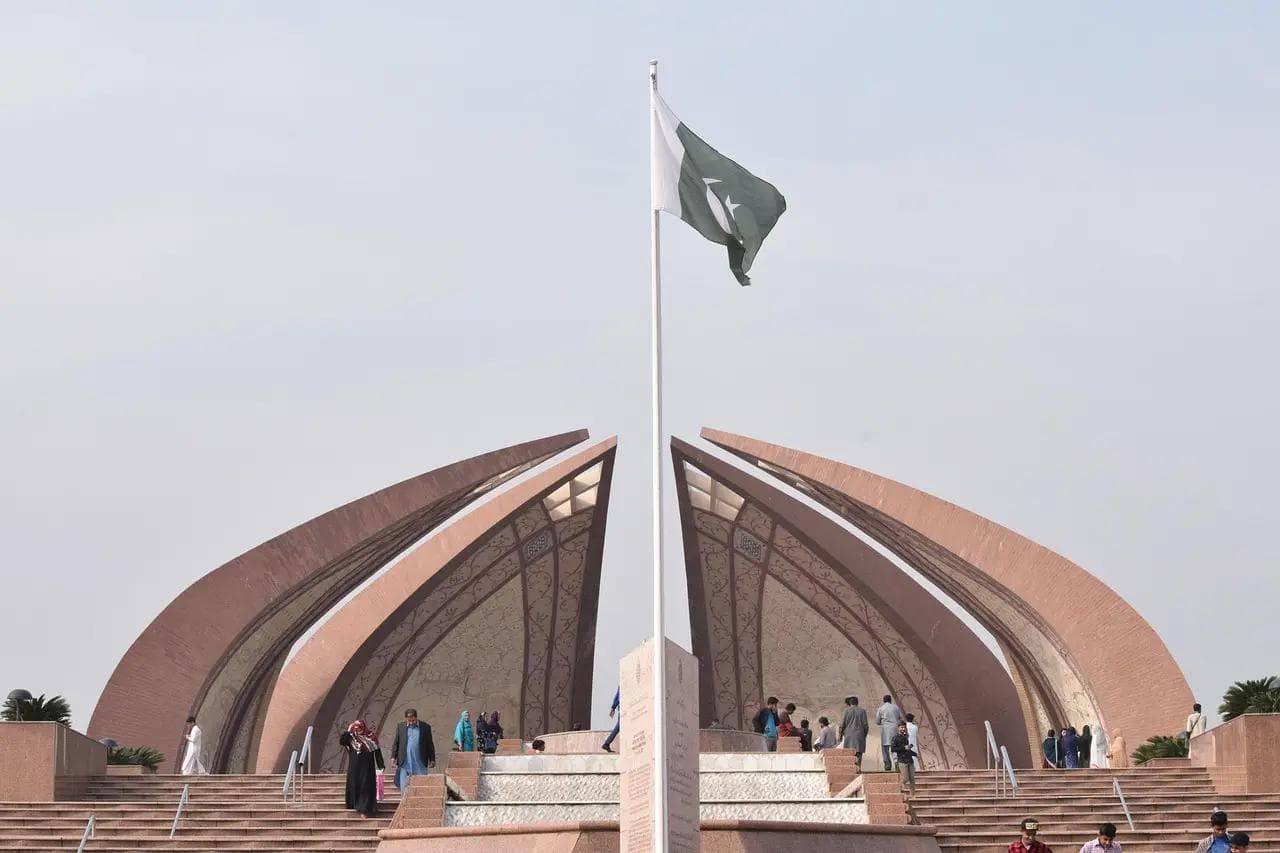
Pakistan has quietly become one of the most exciting travel destinations in the world, and getting a tourist visa is far more straightforward than most people expect. Whether you are planning to trek in the Karakoram, explore the valleys of Hunza, or journey through the ancient landscapes of Baltistan, this guide covers everything you need to know about obtaining a Pakistan tourist visa.
Does Pakistan Offer a Visa on Arrival?
Yes — Pakistan offers visa on arrival to citizens of many countries at major international airports including Islamabad (ISB), Lahore (LHE), and Karachi (KHI). Over 50 nationalities are currently eligible, including citizens of the United States, United Kingdom, European Union member states, Canada, Australia, Japan, South Korea, and many others. Visa on arrival is typically issued for 30 days and can sometimes be extended once you are in the country. Always check the official website of Pakistan’s Directorate General of Immigration and Passports before you travel, or contact your nearest Pakistani embassy or consulate for the latest eligibility list.
Pakistan e-Visa: Apply Online Before You Travel
Pakistan operates an online e-visa portal that allows tourists from eligible countries to apply before departure. Applying online in advance is strongly recommended — it saves time at the airport and removes the uncertainty of arrival-day processing. Visit the official Pakistan Online Visa System at visa.nadra.gov.pk, select Tourist Visa, complete your application, upload your documents, and pay the fee online. Standard processing takes 5 to 7 business days. You will receive your e-visa by email — print a copy to present on arrival.
Documents Required for a Pakistan Tourist Visa
For a standard Pakistan tourist e-visa application you will typically need: a valid passport with at least six months of validity remaining; a recent passport-sized photograph with a white background; a scanned copy of your passport biographical page; details of your intended accommodation in Pakistan; a rough travel itinerary; proof of onward travel such as a return flight booking; and the visa fee, which varies by nationality. Some nationalities may require additional documentation — always check the latest requirements on the official portal before applying.
How Long Can You Stay on a Pakistan Tourist Visa?
Most tourist visas are issued for 30 days, with single or multiple entry options available. A 90-day tourist visa is also available for many nationalities. Extensions can be applied for at the Foreigners Registration Office (FRO) in major Pakistani cities. If you are planning an extended trip through northern Pakistan — covering Islamabad, Hunza, Gilgit, Skardu, and beyond — applying for a 90-day visa from the outset is advisable.
Which Countries Are Eligible for Visa on Arrival?
Nationals of the following regions are generally eligible — though always verify with official sources before travelling: all European Union and Schengen Area member states; the United Kingdom, United States, and Canada; Australia and New Zealand; Japan, South Korea, and most East Asian nations; Gulf Cooperation Council (GCC) member states; and most Southeast Asian nations. If your country is not on the visa on arrival list, apply for a visa through the Pakistani embassy or consulate in your home country before travelling.
Do You Need a NOC for Northern Pakistan?
This is one of the most common questions from travellers planning to visit Hunza, Skardu, and Gilgit-Baltistan. The Pakistani government has removed the NOC (No Objection Certificate) requirement for most tourist areas in Gilgit-Baltistan, including Hunza, Skardu, Fairy Meadows, Deosai, and the full Karakoram Highway corridor. Foreign tourists can now visit these areas freely on a standard tourist visa. However, certain restricted zones still require special permits — areas near the Line of Control, zones approaching Siachen, and specific high-altitude trekking routes in Ghanche District. If trekking into any restricted area, your tour operator will handle all necessary permit applications as part of your itinerary.
Tips for a Smooth Pakistan Visa Application
Apply at least two weeks before your travel date — never leave it to the last minute. Ensure your passport photograph meets the exact specifications on the portal as non-compliant photos are the most common cause of delays. Your name must match your passport exactly. Print multiple copies of your e-visa and carry them throughout your trip. Register with your home country’s embassy travel advisory system before departing, and purchase comprehensive travel insurance that covers medical evacuation — this is essential for mountain travel.
Is Pakistan Safe for Tourists?
Northern Pakistan — the primary destination for international tourists — has an excellent safety record for travellers. The regions of Gilgit-Baltistan that draw visitors for trekking and mountain tourism are peaceful, welcoming, and well-served by a growing tourism infrastructure. Monitor your government’s travel advisories, purchase comprehensive travel insurance, and work with a reputable local operator. At Heritage Hike, our guides are drawn from the communities we visit — meaning our guests travel with people who know these mountains intimately.
Ready to Plan Your Trip?
Once your visa is confirmed, the real planning begins. Whether you want a classic Hunza valley tour, a Skardu and Deosai adventure, or a full expedition to K2 Base Camp, Heritage Hike crafts journeys that go beyond the surface. Get in touch and we will help you build an itinerary that makes the most of every day in northern Pakistan.