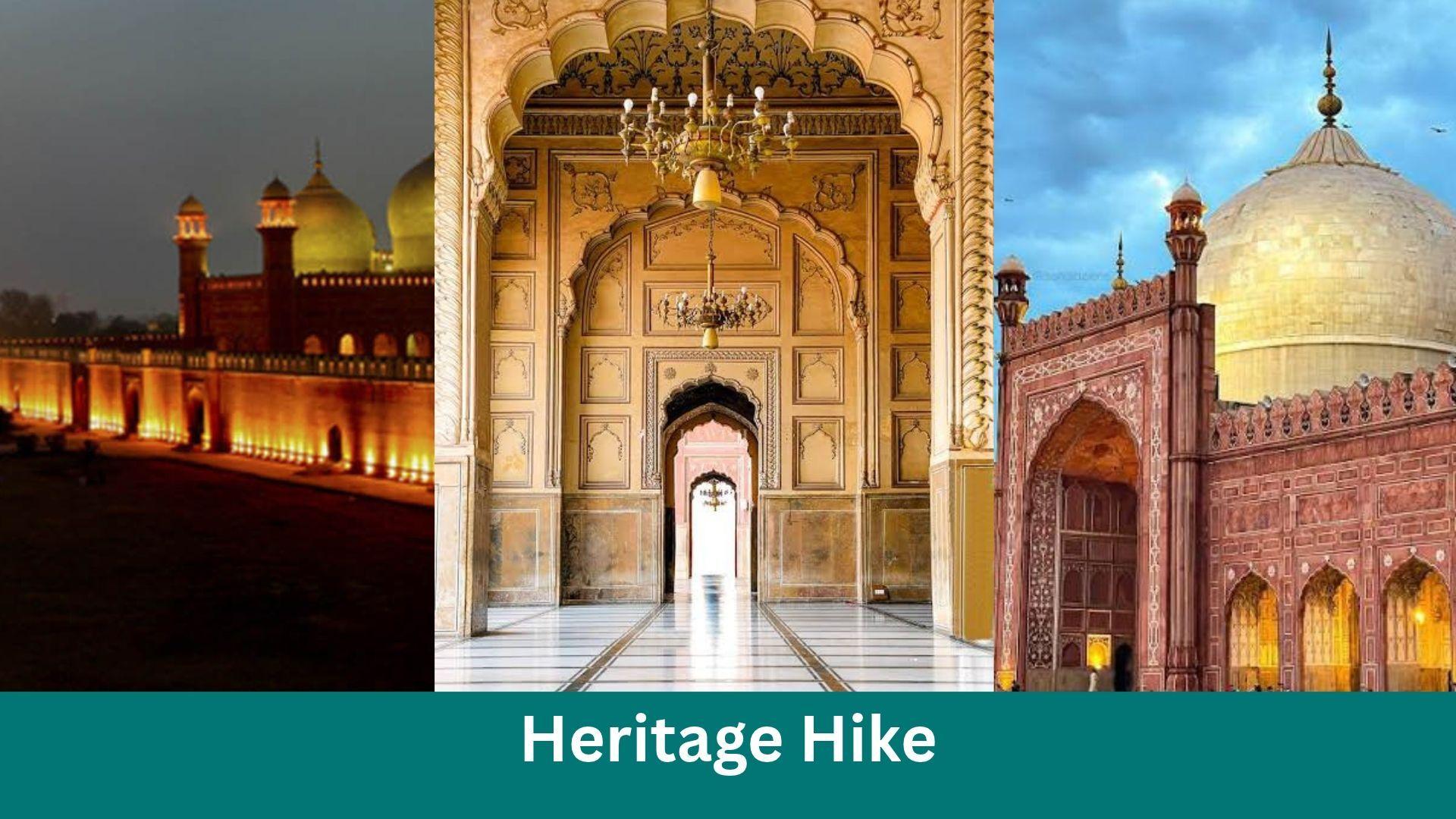
Lahore is often called the cultural heart of Pakistan, and nowhere is that clearer than in its old Mughal core. Within a few kilometres you can see a UNESCO-listed citadel, one of the world's great mosques, the most richly tiled mosque of the Mughal era and an imperial pleasure garden. With an early start, all of it fits into one memorable day.
Morning: Wazir Khan Mosque and the Walled City
Begin at Delhi Gate, one of the historic entrances to the Walled City, while the lanes are still quiet. A few minutes away is the restored Shahi Hammam, a Mughal royal bathhouse, and just beyond it Wazir Khan Mosque, built between 1634 and 1641 during the reign of Shah Jahan. Its facade is covered in kashi-kari, glazed tile mosaics in blues, greens and yellows, and its prayer hall is painted with frescoes almost from floor to ceiling. Morning light shows the colours best.
From here, wander north through the old bazaars along the route known as the Shahi Guzargah, or Royal Trail. A local guide is well worth it in the Walled City, both to find your way and to point out the havelis, mosques and gateways hidden in its lanes.
Late Morning: Lahore Fort
Arrive at Lahore Fort by late morning and give it at least two to three hours. Rebuilt by Emperor Akbar and enlarged by Jahangir, Shah Jahan and Aurangzeb, the fort is a gallery of Mughal architecture. Highlights include the Sheesh Mahal, whose walls sparkle with thousands of tiny mirrors, the marble Naulakha Pavilion, the Diwan-e-Aam hall of public audience and the long tiled Picture Wall on the outer walls. Together with Shalimar Gardens, the fort has been a UNESCO World Heritage Site since 1981.
Lunch: Fort Road
Lahore is Pakistan's food capital, so lunch is part of the experience. Restaurants around Fort Road and the old city serve Lahori classics such as karahi, nihari, seekh kebabs and fresh naan. Several rooftop restaurants have views over Badshahi Mosque, and they are even better in the evening.
Early Afternoon: Badshahi Mosque, Iqbal's Tomb and Dera Sahib
Across the Hazuri Bagh garden from the fort stands Badshahi Mosque, built by Emperor Aurangzeb between 1671 and 1673. Its red sandstone gateway opens onto a vast courtyard capable of holding tens of thousands of worshippers, with three white marble domes and towering minarets beyond. Remember to dress modestly; women should bring a headscarf, and shoes are removed at the entrance.
At the mosque's steps is the tomb of Allama Iqbal, Pakistan's national poet. Right beside the complex you'll also see the golden dome of Gurdwara Dera Sahib, marking the martyrdom of the fifth Sikh Guru, Guru Arjan Dev, in 1606, and the white Samadhi of Maharaja Ranjit Singh. In one small square, you can see the layers of Mughal, Sikh and modern Pakistani history side by side. Access to the gurdwara can be restricted for non-pilgrims, so ask first.
Late Afternoon: Shalimar Gardens
Take a car or ride-hailing app a few kilometres northeast to Shalimar Gardens, completed for Shah Jahan in 1642. The garden descends in three walled terraces, with canals, fountains and a marble cascade carrying water from one level to the next. Late afternoon is the loveliest time to visit, as the heat eases and the light softens. Lahore's Orange Line metro also runs along the Grand Trunk Road past the gardens.
Evening: Back to the Old City
End the day back near the fort for dinner on a rooftop facing Badshahi Mosque, which is beautifully lit at night. It is one of the most memorable views in Pakistan.
Tips for Your Day
The best months are October to March; summer days are extremely hot, and the monsoon brings heavy rain in July and August. Tickets at the fort and gardens are priced differently for Pakistani and foreign visitors, so check at the gate. Avoid Friday midday prayers if you plan to visit the mosques, wear comfortable shoes and carry small change for shoe keepers and snacks.
Have more time? Add a day trip to Nankana Sahib, the birthplace of Guru Nanak, or continue north on the Grand Trunk Road to Rohtas Fort and Taxila. Heritage Hike can arrange a car with driver and a local guide for any of these routes.