For Sikhs around the world, Pakistan's Punjab is sacred ground. Guru Nanak, the founder of Sikhism, was born here in 1469 and died here in 1539. Many of the most important events in early Sikh history took place in the towns and villages between Lahore and the Ravi River. Every year, thousands of pilgrims travel to Pakistan to pray at these shrines, especially during Vaisakhi and Guru Nanak's Gurpurab.
This guide covers the six gurdwaras most pilgrims visit, the stories they commemorate and what to know before you go.
Gurdwara Janam Asthan, Nankana Sahib
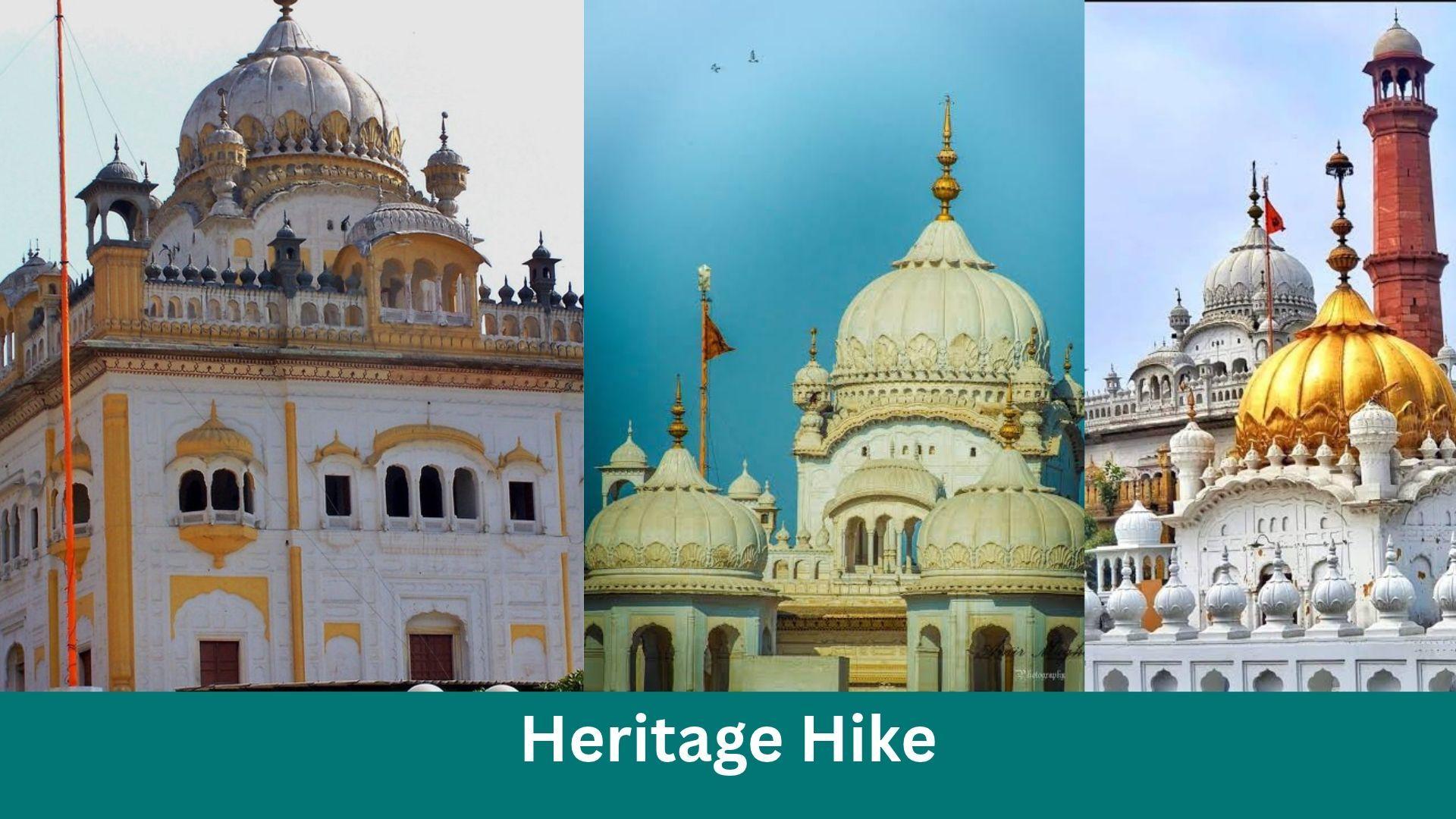
About 75 km west of Lahore, the town once called Rai Bhoi di Talwandi was renamed Nankana Sahib in honour of the Guru born there. Gurdwara Janam Asthan marks the site of his parents' home and is the heart of Sikh pilgrimage in Pakistan. The present building dates from the reign of Maharaja Ranjit Singh. Around it are several other gurdwaras tied to Guru Nanak's childhood, including Bal Lila, where he played, and Patti Sahib, linked to his schooling. The town is the main venue for Guru Nanak's birth anniversary each November.
Gurdwara Sacha Sauda, Farooqabad
As a young man, Guru Nanak was given 20 rupees by his father to make a profitable deal at the market in Chuharkana, now Farooqabad. Instead he spent it feeding people in need and called this his "sacha sauda", or true bargain. The story is closely tied to the spirit of langar, the free kitchen open to all at every gurdwara. The fortress-like gurdwara here, built under Ranjit Singh, is an easy stop between Lahore and Nankana Sahib.
Gurdwara Rori Sahib, Eminabad
Near Gujranwala, Eminabad (once Saidpur) is where Guru Nanak stayed with Bhai Lalo, a humble carpenter. It is the setting of the famous story in which the Guru chose Bhai Lalo's plain bread, earned honestly, over a rich official's feast. Gurdwara Rori Sahib marks the bed of pebbles where the Guru is said to have sat after Babur's army sacked the town in 1521. Two more shrines, Khuhi Bhai Lalo and Chakki Sahib, are nearby.
Gurdwara Darbar Sahib, Kartarpur
On the banks of the Ravi in Narowal District, Kartarpur is where Guru Nanak settled after his travels. He farmed, taught and built a community here for 18 years until his passing in 1539. Tradition says that his Hindu and Muslim followers found only flowers beneath his shroud and shared them, and the complex holds both a samadhi and a grave.
In 2019, the Kartarpur Corridor opened to give Indian pilgrims visa-free access from Dera Baba Nanak, just a few kilometres away across the border. Crossings from the Indian side have been suspended since May 2025, while Pakistan says its side remains ready. Check the latest position before planning.
Gurdwara Dera Sahib, Lahore
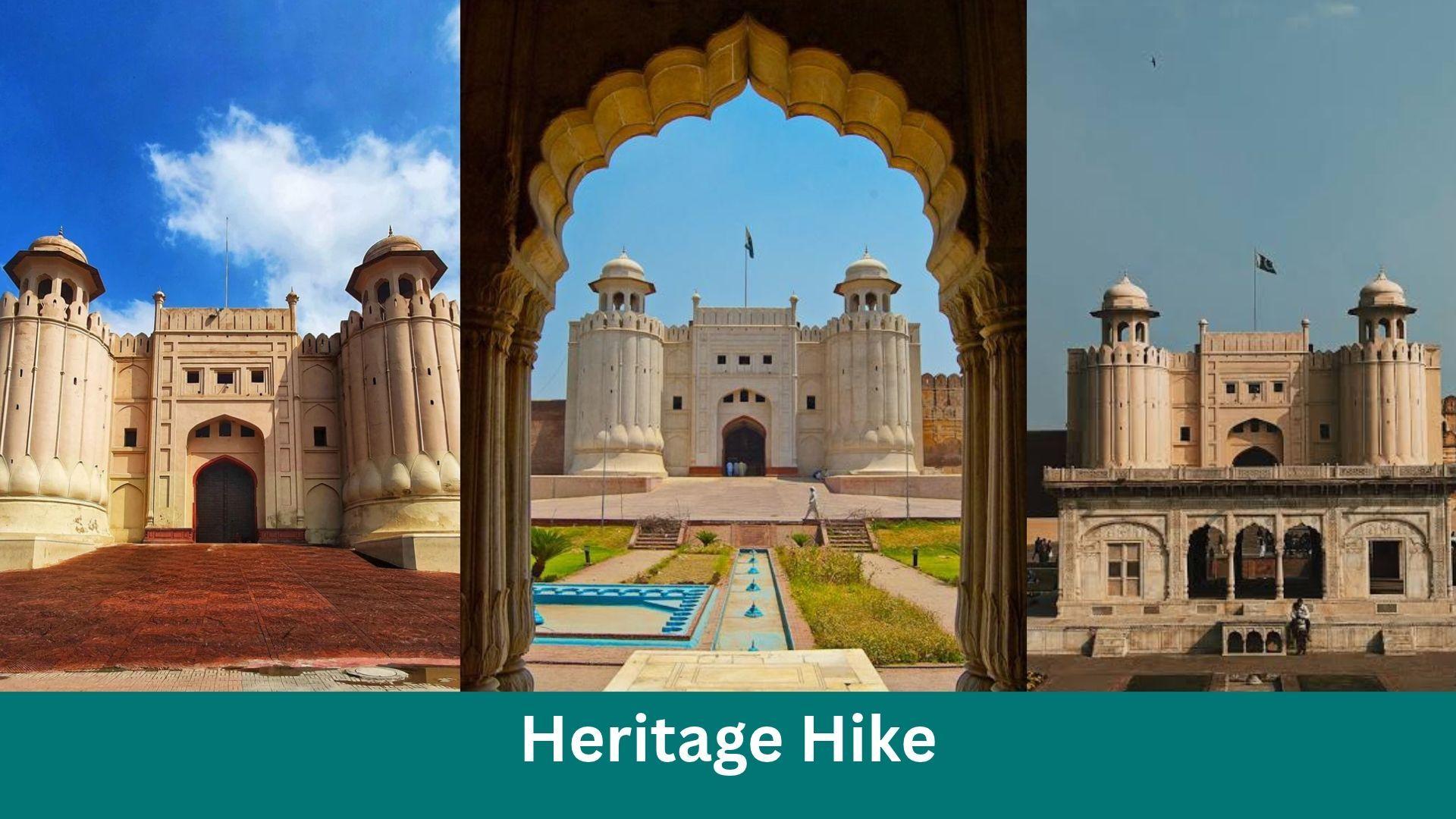
Beside Lahore Fort, this golden-domed gurdwara marks where Guru Arjan Dev, the fifth Guru and compiler of the Adi Granth, was martyred in 1606. Guru Hargobind built a memorial here in 1619, and the present gurdwara dates from Ranjit Singh's time. Next door is the white Samadhi of Maharaja Ranjit Singh himself, holding his ashes. Pilgrims gather here in June for Guru Arjan Dev's martyrdom anniversary.
Gurdwara Panja Sahib, Hasan Abdal
About 48 km from Rawalpindi, Panja Sahib is built around a boulder that Sikhs believe bears Guru Nanak's handprint, left when he stopped the rock with his hand during his visit in 1521. A clear spring flows beneath it into the sarovar. The first gurdwara was built by the Sikh general Hari Singh Nalwa. Panja Sahib is the main gathering place for Vaisakhi, celebrated every April.
When to Go
The main pilgrimage seasons are Vaisakhi in April, centred on Panja Sahib, and Guru Nanak's Gurpurab in November, centred on Nankana Sahib. June brings the anniversaries of Guru Arjan Dev's martyrdom and Maharaja Ranjit Singh's death, both marked in Lahore. For a quieter visit, October to March is the most comfortable time for travelling around Punjab.
How Pilgrims Visit
Sikh pilgrims from India usually travel in organised groups (jathas) on special pilgrim visas for the major festivals, coordinated with Sikh bodies and Pakistan's Evacuee Trust Property Board, which manages the gurdwaras. Pilgrims from the UK, Canada, the USA and elsewhere can travel on a regular Pakistani tourist visa. Some gurdwaras restrict entry for non-pilgrims outside festival times, so it helps to arrange access in advance.
At every gurdwara, cover your head, remove your shoes and wash your hands and feet before entering. Tobacco and alcohol are strictly forbidden. Langar is served free to everyone, whatever their faith.
A Suggested Route
Most routes begin in Lahore with Dera Sahib, then head west to Sacha Sauda and Nankana Sahib. A day trip north reaches Eminabad and Kartarpur, and a final drive towards Islamabad ends at Panja Sahib in Hasan Abdal. With a car and driver, the full circuit takes five to seven days at a relaxed pace.
Heritage Hike can arrange private transport, accommodation near the gurdwaras and local guides for individual pilgrims and family groups.